
BC Wildfires: What You Need to know Before Visiting Canadian Rockies
These are reasonable questions, particularly during the summer months when wildfire activity can change quickly.
The good news is that a wildfire somewhere in British Columbia does not automatically mean that Vancouver, the Canadian Rockies, or your entire travel route is affected. Wildfire conditions are highly regional, and what matters most is the location of a particular fire, its proximity to your route or destination, road conditions, evacuation orders or alerts, and local air quality.
BC Wildfires 2026: What Is Happening?
British Columbia is experiencing a significant wildfire season in 2026, with hot and dry conditions contributing to increased fire activity across the province.
On August 8, the Province declared a state of provincial emergency as wildfires intensified, particularly across parts of the Southern Interior. More than 100 wildfires were burning across BC, with major impacts in the Okanagan, including the Bald Range wildfire near Summerland and Peachland, which led to evacuations and transportation disruptions. (news.gov.bc.ca)
Wildfire conditions remain dynamic, with new fires developing while crews continue working to contain existing ones. For the latest information, travelers should refer to official wildfire and emergency updates before travelling.
Where are the major wildfire impacts in 2026?
As of August 2026, some of the most significant wildfire impacts have been in British Columbia’s southern Interior, particularly around the Okanagan Valley. The Bald Range wildfire has resulted in major evacuations in the Summerland and Peachland areas, with significant impacts on local communities and travel routes.
Other fires and evacuation areas are located in different parts of the province, including the Fraser Valley and other Interior regions. Conditions can change quickly, so the areas affected today may not be the same areas affected when you travel.
For travellers, this is why it is much more useful to look at where the active fires are located and whether they affect your particular route or destination rather than treating British Columbia as one affected area.
Parks Canada Advisories for Banff, Jasper & Lake Louise
Banff National Park
Parks Canada currently reports no active wildfires in Banff National Park. However, a fire ban is in effect throughout the park because of elevated fire danger. Visitors should continue to check Parks Canada for changes to fire restrictions and any area-specific advisories.
Lake Louise
Lake Louise is within Banff National Park and is subject to the park’s current fire restrictions. There is currently no active wildfire reported in Banff National Park, but visitors should check the latest Parks Canada information before travelling, particularly for fire restrictions or any temporary area closures.
Jasper National Park
Jasper continues its recovery from the 2024 Jasper Wildfire, and some areas of the park remain closed while others have reopened following safety assessments. Parks Canada maintains a current “What’s Open in Jasper National Park” map and publishes updates on wildfire conditions and closures. Visitors should check these advisories before travelling to Jasper.
What Does This Mean for Vancouver and the Canadian Rockies?

For travelers, the current wildfire situation DOES NOT mean that Vancouver or the Canadian Rockies are closed to visitors. Conditions can vary by location, and the impact on your trip depends on the specific route and destination.
Vancouver may experience periods of hazy skies or reduced visibility when smoke moves into the region, but this can change with weather and wind conditions.
Banff and Lake Louise continue to welcome visitors, although travellers should check current Parks Canada advisories and local fire restrictions before visiting.
Jasper remains open to visitors, with some areas continuing to be affected by closures and recovery work following the 2024 wildfire. Parks Canada provides current information on which areas are open.
For anyone travelling from Vancouver to the Rockies, the key is to check the latest conditions for your specific route and destination, rather than making plans based on the overall wildfire situation in BC.
What Should You Do If You’ve Already Booked?
If you’ve already booked your trip to the Canadian Rockies, there’s no need to make a decision based solely on general wildfire news. Wildfire conditions can vary significantly by location and can change quickly.
Instead, check the latest information for your specific route and destinations before travelling. Keep an eye on official road and park advisories, and stay in touch with your tour operator for any updates that may affect your itinerary.
If a road, attraction or part of the planned route is affected, your travel arrangements may need to be adjusted. The important thing is to stay informed rather than assume that wildfire activity elsewhere in BC will affect your entire trip.
If you’ve booked your Canadian Rockies tour with Key West Travel & Tours, we’ll keep you posted on any changes that may affect your itinerary. Our tours are currently operating as planned.
Planning a Canadian Rockies Trip?
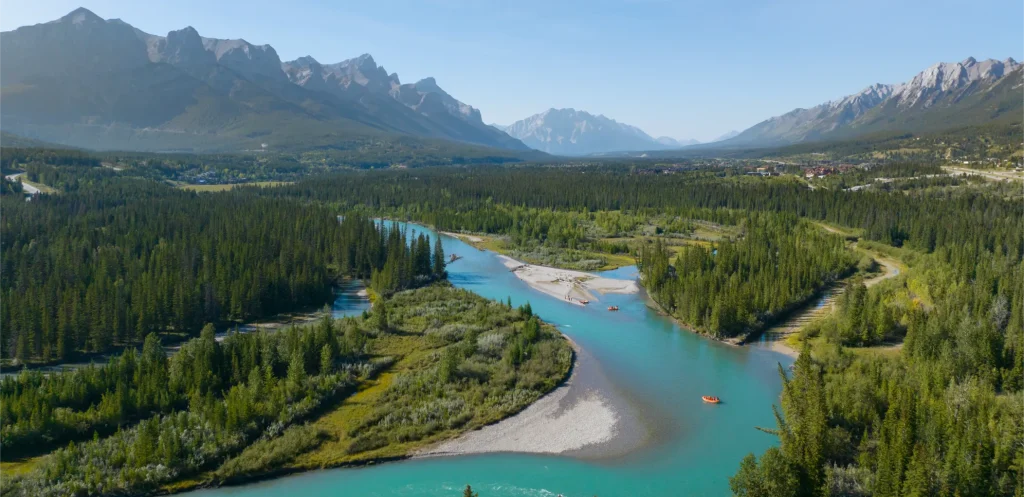
Wildfire season is one of the realities of travelling through Western Canada in summer.
For travelers who prefer to leave the driving, accommodation and itinerary planning to a tour operator, an organized Canadian Rockies tour can make the journey simpler.
Key West Travel & Tours offers organized journeys from Vancouver to Banff, Lake Louise and Jasper, with options combining motorcoach, Rocky Mountaineer, VIA Rail and coach travel.
If you’re planning a trip to the Canadian Rockies, explore our tours and find an itinerary that suits your journey.
Frequently Asked Questions
Are the Canadian Rockies safe to visit during wildfire season?
Yes, visiting the Canadian Rockies during wildfire season is generally safe, provided you stay informed and monitor local conditions. Wildfire activity varies significantly by region and year. Parks Canada and provincial authorities closely monitor fire risks, implement strict fire bans when necessary, and manage active incidents proactively. Major highways, towns, and primary tourist corridors remain open and operational unless direct threats occur.
Are Banff and Lake Louise affected by the 2026 BC wildfires?
Banff National Park and the community of Lake Louise are safe, and there is no direct risk to public safety or the town sites. While regional fire bans or elevated fire danger ratings may be implemented during peak dry spells, normal operations, hotels, and key attractions continue running smoothly.
Is Jasper open to visitors?
Yes, Jasper is open to visitors. Major infrastructure, highways (including Highway 16 and the Icefields Parkway), hotels, and key attractions—such as the Columbia Icefield and Maligne Lake—are fully operational. While some targeted backcountry areas or specific park campgrounds may undergo long-term restoration work, the town and major highlights welcome travelers.
Will wildfire smoke affect my Canadian Rockies trip?
Smoke levels fluctuate depending on wind patterns, regional fire activity, and proximity to active burns. While crisp, clear blue skies are common, certain days can experience hazy conditions or reduced visibility. Travelers sensitive to air quality can check real-time air quality health indices (such as FireSmoke.ca) during peak summer months.
Should I cancel my trip because of wildfires?
Not automatically. If your trip is still several weeks or months away, conditions can change significantly. It is usually better to monitor official updates and your tour operator’s communications before making a decision
Where can I check wildfire conditions before my trip?
For the latest information on active wildfires and wildfire activity across British Columbia, travelers can check the BC Wildfire Service map before their trip.
Related articles
Share
Facebook
Twitter
LinkedIn