

Is It SAFE to Hike in the Canadian Rockies
Yes, hiking in the Canadian Rockies is generally safe, including solo hiking, but the nature of the risk has changed in recent years.
Wildlife remains a manageable concern, while the biggest dangers increasingly come from weather, terrain, poor preparation, and growing trail congestion caused by inexperienced hikers.
Understanding these risks, and planning accordingly, is essential for hiking safely in the Rockies today.
Is it safe to hike solo in the Rockies?
Solo hiking is common and can be safe for well-prepared hikers.
Safety depends on:
- Experience level
- Route selection
- Weather awareness
- Preparedness
Day hikes on popular, well-maintained trails carry the lowest risk. Solo backcountry trips, scrambles, and off-trail routes significantly increase exposure and require advanced skills.
Are bears the main danger when hiking in the Rockies?
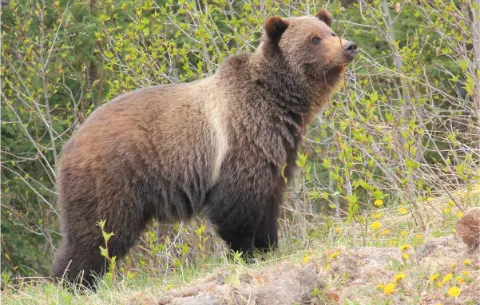
No. While bears live throughout the Rockies, dangerous encounters are rare. Most incidents occur when animals are surprised, food is improperly stored, or park rules are ignored.
Carrying bear spray, making noise, and following proper food-storage practices greatly reduce risk. In some areas, group-size restrictions are in place due to wildlife activity. These must always be followed.
What are the biggest risks when hiking in the Rockies?
The primary risks are rapidly changing weather, challenging terrain, lack of preparation, crowded trails, and following unofficial routes from hiking apps. Many accidents occur due to misjudging conditions or skill level.
1. Rapid weather changes
Snow can fall year-round at higher elevations. Storms, wind, and cold exposure can develop quickly and turn an easy hike into a dangerous situation.
2. Terrain & route difficulty
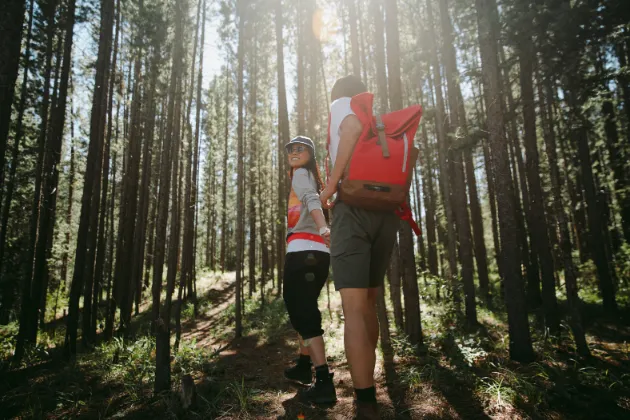
Many Rockies “hikes” involve:
- Loose scree
- Exposure
- Scrambling or route finding
Misjudging difficulty is a major contributor to accidents.
3. Inexperience and poor preparation
A growing number of incidents involve hikers without:
- Adequate footwear or clothing
- Water or emergency gear
- Knowledge of turnaround times
Preparation matters more than ambition.
4. Crowd-related hazards
Popular trails now see heavy traffic, especially on weekends.
New risks include:
- Rockfall caused by people climbing unstable slopes
- Groups stopping in unsafe areas
- Hikers dislodging rocks above others
Crowds can create danger even on “easy” routes.
5. Off-trail navigation and app misuse
Routes shown on hiking apps do not always reflect:
- Official trails
- Maintained routes
- Safe terrain
Unmarked routes often require scrambling, route finding, and experience. Many rescues stem from hikers following unofficial tracks beyond their skill level.
How to reduce risk when hiking in the Canadian Rockies
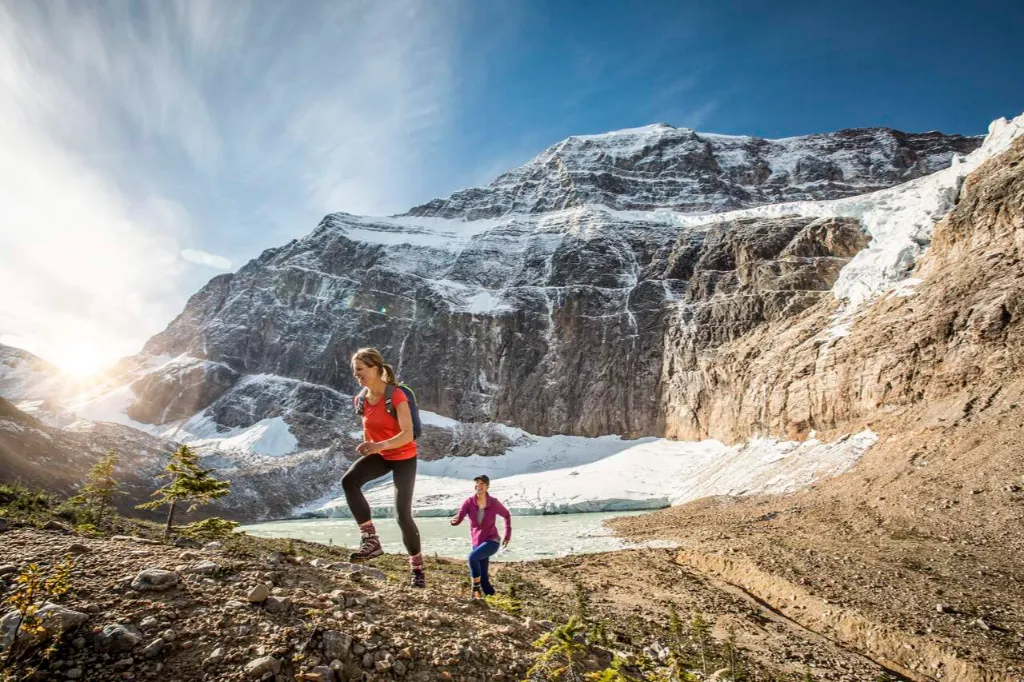
Hikers can reduce risk by planning conservatively, checking official trail conditions, packing emergency gear, practicing proper wildlife safety, and choosing routes that match their experience. Turning back early is often the safest decision.
Plan conservatively
- Check official trail conditions and closures
- Understand the difference between a hike and a scramble
- Set a strict turnaround time
Prepare for the unexpected
- Pack for the possibility of an overnight stay
- Carry layers, navigation tools, and emergency supplies
- Do not rely on cell service; consider a satellite communicator
Practice wildlife safety
- Carry bear spray and keep it accessible
- Store all scented items properly
- Cook and store food well away from campsites
Choose routes that match your experience
- Stay on maintained trails unless trained for off-trail travel
- Avoid technical terrain without proper equipment
- Be willing to turn back — even close to the summit
Beginner vs advanced hiking in the Rockies
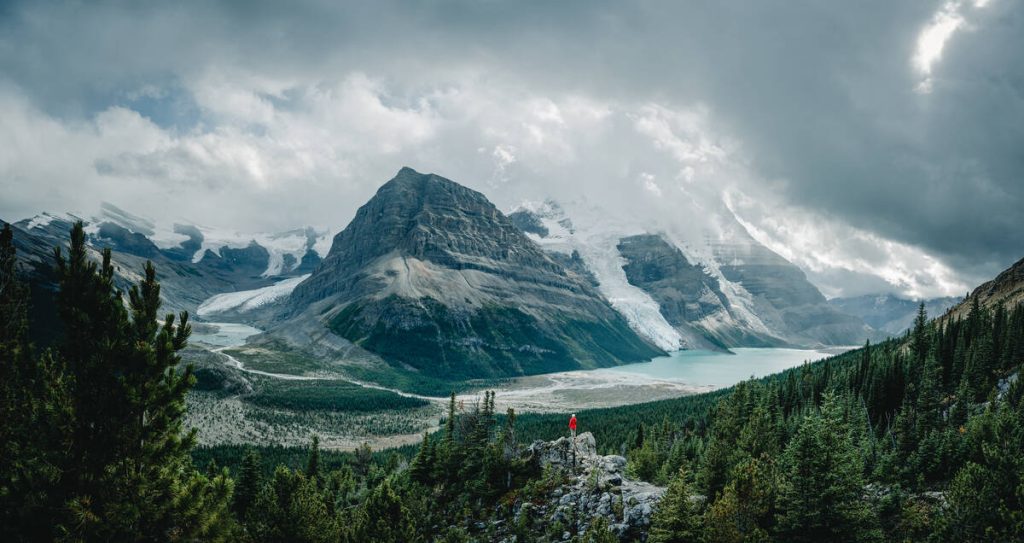
- Not all Rockies routes are equal.
- Some trails are well-maintained and suitable for beginners. Others involve exposure, helmets, route finding, or mountaineering skills. Difficulty ratings online can be misleading.
- If a route requires hands for balance, it is no longer a simple hike.
So, is hiking in the Rockies still safe?
Yes — when done responsibly.
The Canadian Rockies remain an incredible place to hike, but they demand respect. Most accidents are preventable and stem from underestimating conditions or overestimating ability.
Preparation, humility, and good decision-making are the most important safety tools you can bring.
Disclaimer: This article is provided for general informational purposes only. Hiking conditions in the Canadian Rockies can change rapidly. Always check official trail reports, weather forecasts, and park advisories, and use your own judgement to assess whether a hike is appropriate for your experience and abilities.
Table of Contents
Related articles
Share
Facebook
Twitter
LinkedIn